1. Recovery continues at home
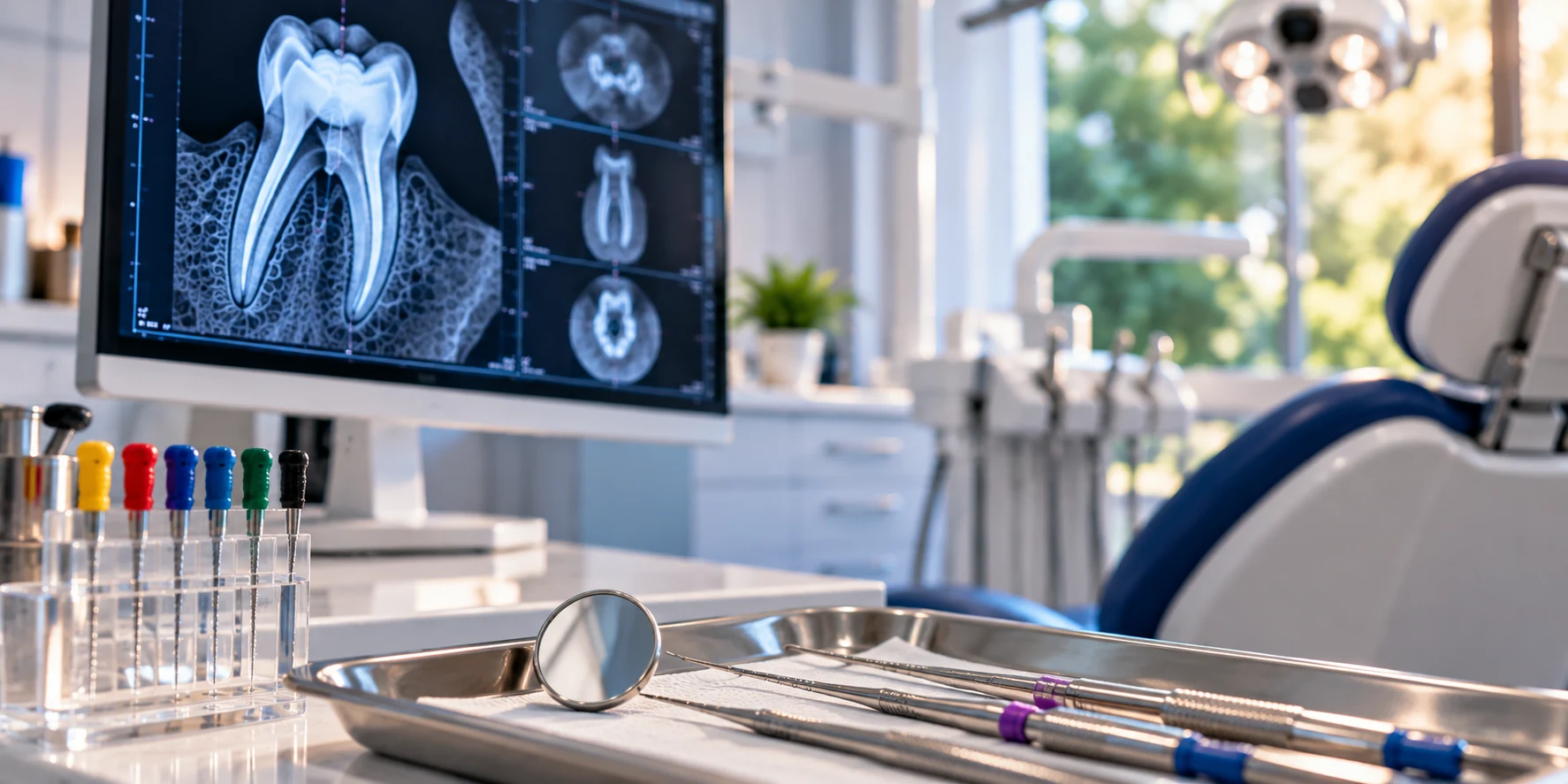
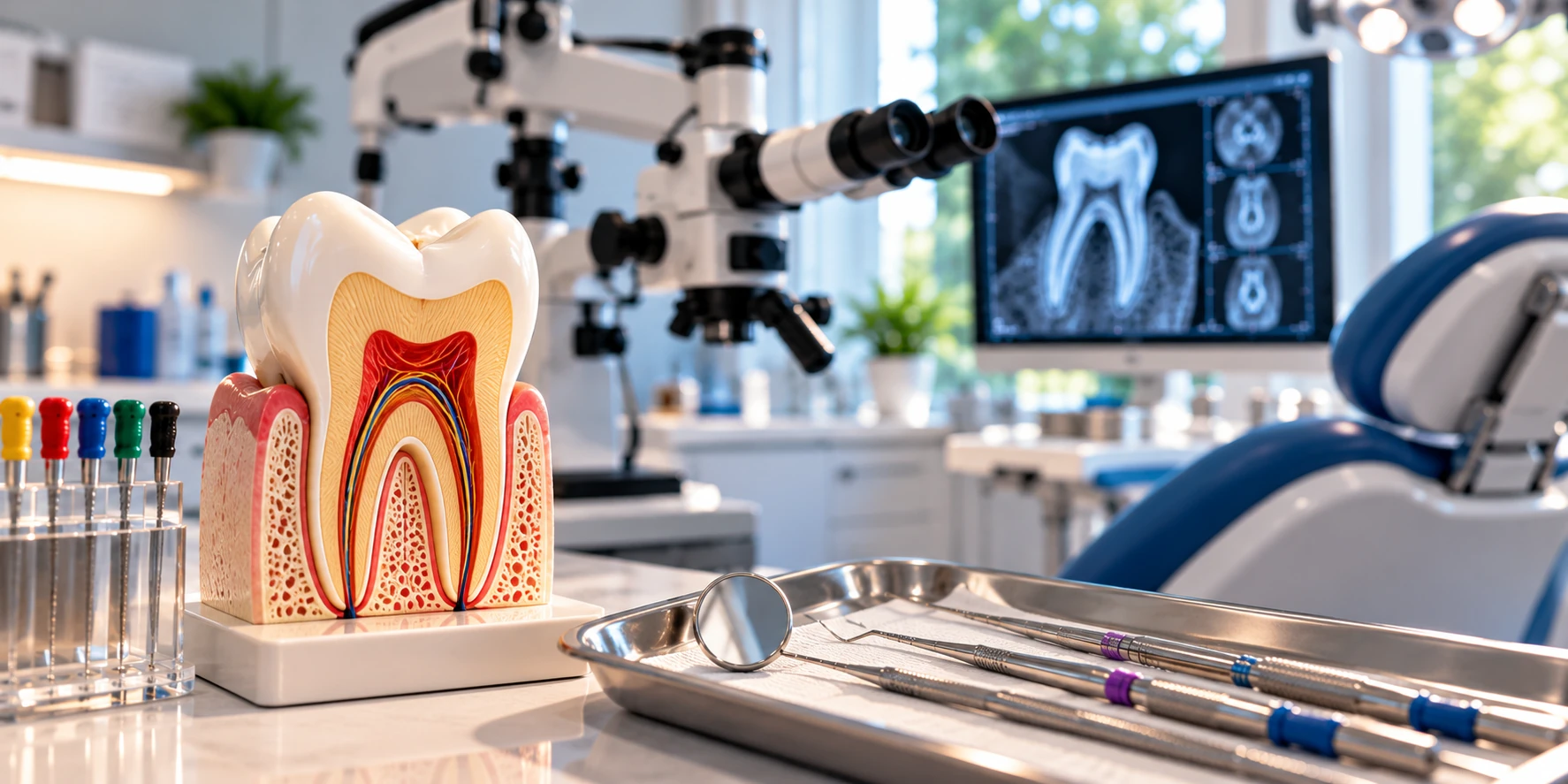
At DensCare, every root canal is performed under an operating microscope at our clinic in Hospital CIMA Escazú, and the appointment itself is pain-free: that is our guarantee. But healing does not end when you leave the office. The days that follow are part of the treatment, and knowing what to expect spares you unnecessary worry and helps you recognize early anything that does need attention.
Why can there be some discomfort if the tooth no longer has a nerve? Because treatment removes the infected tissue from inside the root, but the tissues surrounding the tooth —the ligament and the bone around the root tip— are still alive. If there was infection or inflammation before treatment, those tissues need a few days to settle down. It is a natural healing response, not a sign that something went wrong.
2. Timeline: what is normal, and when
This is the typical course after an uncomplicated root canal. Every patient is different, but the trend should always be the same: improvement day by day.
| When | What you may feel | What to do |
|---|---|---|
| First 2–4 hours | Numbness of the lip, tongue or cheek from the anesthesia. | Do not chew or drink anything hot until it wears off. |
| First 24–48 hours | Mild to moderate discomfort; tenderness when biting or touching the tooth. | Take pain relief as instructed; chew on the other side. |
| Days 3 to 7 | Discomfort fades progressively; the tooth may feel “different.” | Resume a normal diet, avoiding hard foods on that side. |
| Weeks 1 to 4 | Tooth feels comfortable, with a temporary filling in place. | Have the final restoration placed during this window. |
| 6 to 12 months | No symptoms; any lesion in the bone heals progressively. | Follow-up visit with an X-ray. |
3. Caring for your tooth at home
- Eating. Wait until the numbness is gone before eating so you don’t bite your cheek or tongue. For the first 24 hours, choose soft foods. Until your final restoration is in place, avoid hard foods (ice, nuts, hard candy) and sticky foods (gum, taffy) on that side: a treated tooth that has not yet been rebuilt is more vulnerable to fracture.
- Hygiene. Brush normally, including the treated tooth. When flossing that area, slide the floss out sideways instead of pulling it up, so you don’t dislodge the temporary filling.
- Medication. An over-the-counter anti-inflammatory pain reliever, taken as instructed at the end of your appointment, is usually enough. Antibiotics are rarely needed after a root canal; American Association of Endodontists (AAE) guidelines reserve them for cases with systemic signs of infection. Please do not self-medicate with antibiotics.
- Activity. You can return to work the same day or the next. If you have some discomfort, save intense exercise for the following day.
- Temporary filling. Some slight wear on its surface is normal. If it comes out completely or you feel a hole, call us so we can replace it.
4. Why do some patients feel more discomfort than others?
How much discomfort you feel after treatment depends mostly on the condition of the tooth when you arrived. A tooth that was already very painful, with active inflammation or an infection that had spread to the bone, has more sensitive tissues around the root, and it is more likely to stay tender for a few extra days. A tooth with no prior symptoms, on the other hand, usually recovers with almost no discomfort.
Other factors matter too: molars, with several roots, can take a little longer than a front tooth, and retreatments, where a previous root canal is corrected, may recover somewhat more slowly. Working under an operating microscope allows us to clean each canal precisely, without pushing beyond the root tip into the surrounding tissues, which contributes to a smoother recovery. If your case involves any of these factors, we explain it before the end of your appointment so you know exactly what to expect.
5. Normal vs. when to call us
This table sums up the difference between a normal recovery and the signs that need attention. When in doubt, it is always better to message us.
| Normal | Call us if… |
|---|---|
| Tenderness when biting for the first few days | Severe pain not relieved by pain medication |
| Discomfort that eases day by day | Pain that increases after the third day |
| A slight feeling of pressure in the gum | Swelling of the face or gum that keeps growing |
| The tooth feels “different” when biting | Fever or feeling generally unwell |
| Minor wear of the temporary filling | Loss of the temporary filling or a fractured tooth |
| — | Rash, itching or a reaction to a medication |
6. The final restoration: the step that protects your treatment
A root canal eliminates infection inside the tooth, but it does not rebuild it. When treatment is finished, the tooth is sealed with a temporary filling designed to last weeks, not months. Over time, a temporary filling can allow bacteria from saliva to leak back into the canals. This leakage is one of the most common causes of long-term failure of a treatment that was, in itself, successful.
For molars and premolars, which bear the greatest chewing forces, the usual recommendation is a restoration that covers the cusps: a crown or an onlay. Studies show that back teeth treated and protected this way survive significantly longer than those that only receive a composite filling. Front teeth carry less load, and a well-sealed composite may be enough.
7. Long-term follow-up
A tooth can feel perfect and still be healing on the inside. When there was a lesion in the bone around the root, full repair can take anywhere from six months to two years, and only a follow-up X-ray can confirm it. That is why at DensCare we schedule check-ups at 6 and 12 months. We explain the reasons in detail in our article “Why Every Treatment at Our Clinic Must Be Followed Up.”
8. Frequently asked questions
Is it normal to have pain after a root canal?
Yes, mild discomfort for 2 to 5 days is normal. It comes from the tissues around the root, not the tooth itself, and is managed with common pain relievers. The trend should always be toward improvement.
When can I eat after a root canal?
Once the anesthesia has worn off, usually within 2 to 4 hours. Choose soft foods on the first day and avoid hard or sticky foods on that side until the final restoration.
Do I need antibiotics?
In most cases, no. Antibiotics are only prescribed if there are systemic signs of infection, such as fever or spreading swelling.
How long can I wait for the crown?
Ideally 2 to 4 weeks. The temporary filling is not designed to last months, and delaying the restoration increases the risk of leakage and fracture.
Why does the tooth feel different?
Because it no longer has an inner nerve and doesn’t react to cold, but it keeps the sensation of the ligament around it. This is completely normal.
What if my temporary filling falls out?
Call us the same day and avoid chewing on that side. Replacing it promptly protects the canals from recontamination.
Can I smoke or drink alcohol afterwards?
It is best to avoid both for the first 24 to 48 hours. Alcohol should not be combined with some pain relievers, and smoking slows the healing of the tissues.
At DensCare, a root canal does not end when you leave the office. We give you written instructions, we are available by phone and WhatsApp for any question, and we stay with you until healing is confirmed. If you need a pain-free root canal in Escazú, Costa Rica, or a second opinion from a root canal specialist, we would be glad to see you.
Book your visit: +506 2208-8203 · Torre Médica 2, 2nd Floor, Office 203, Hospital CIMA Escazú